

When you need to measure chloride levels accurately, choosing the right test method makes all the difference. Each approach—from titration to ion-selective electrodes—has its strengths and limitations depending on your setting and skill level. You might find that what works best in a lab won’t suit field conditions Chlorine test, or that some methods require more precision than others. Understanding these nuances is key to getting reliable results every time.
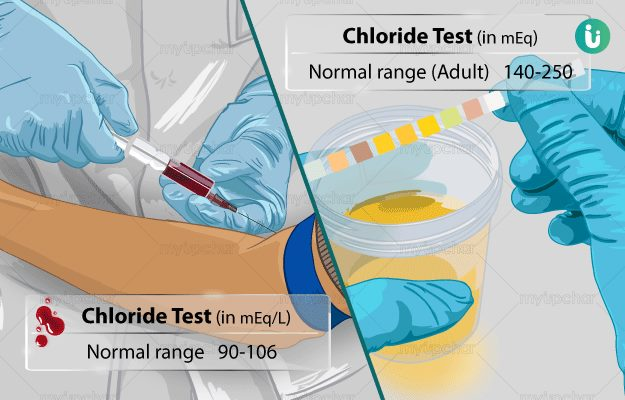
Overview of Chloride Test Methods: Pros and Cons
Although several chloride test methods are available, each comes with its own advantages and limitations that you should consider before choosing one.
For example, titration methods offer accuracy but require careful handling and some lab skills.
Ion-selective electrodes provide quick results and ease of use Lab Alliance, perfect if you want freedom from complicated setups.
Meanwhile, colorimetric tests are portable and user-friendly but may sacrifice some precision.
You’ll find that methods like potentiometric titration balance accuracy and convenience but might need calibration.
Understanding these trade-offs helps you pick a method that fits your needs without unnecessary restrictions.
Choosing the Best Chloride Test Method: Key Factors
When choosing the best chloride test method, you need to weigh factors like accuracy, speed, ease of use, and cost. You want a method that fits your lifestyle and goals without tying you down with complicated procedures or pricey equipment.
Think about what matters most to you—whether you’re in a lab, field, or home setting.
Consider these key points:
- Quick results to keep you moving freely without long waits
- Simple steps that don’t demand specialized skills or tools
- Affordable options that won’t drain your budget or limit your choices
Titration: Step-by-Step Chloride Measurement
If you’re looking for a reliable and straightforward way to measure chloride levels, titration offers a practical solution.
First, you’ll prepare your sample by diluting it appropriately.
Then, add a few drops of an indicator like potassium chromate, which signals the endpoint.
Slowly titrate with a silver nitrate solution, watching for a color change that shows when all chloride ions have reacted.
Remember to record the volume of titrant used precisely.
From this, you calculate chloride concentration based on the known molarity of silver nitrate and the volume consumed.
This method gives you control and accuracy without needing complex equipment.
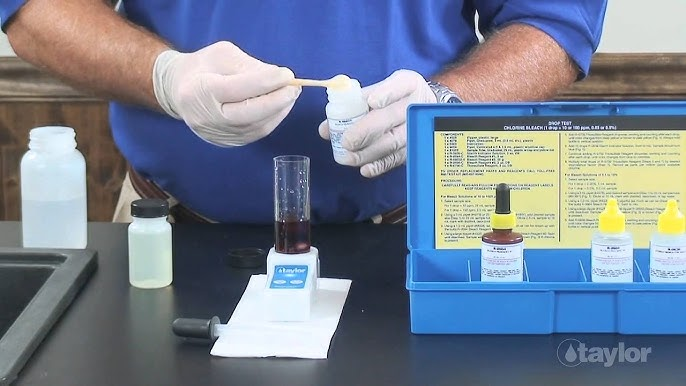
Ion-Selective Electrodes and Spectrophotometric Methods for Chloride Testing
Because chloride ions play a crucial role in many chemical and environmental processes, using precise and efficient testing methods is essential. You can rely on ion-selective electrodes (ISE) and spectrophotometric methods for quick, accurate chloride measurements that fit your need for freedom and flexibility in testing.
With an ion-selective electrode, you’ll measure chloride concentration directly by detecting electrical potential changes, giving you near-instant results without complex preparations.
Spectrophotometric methods, on the other hand, use color changes from chemical reactions to quantify chloride levels with high sensitivity.
Picture this:
- A sleek electrode dipped into a water sample, instantly reading chloride levels
- Color shifts from clear to vibrant yellow signaling chloride presence
- Portable devices letting you test anywhere, anytime with ease
Both methods empower you to take control of your chloride testing efficiently and precisely.
Troubleshooting and Ensuring Accuracy in Chloride Testing
Accurate chloride testing depends not only on choosing the right method but also on identifying and resolving common issues that can affect your results. If you notice inconsistent readings, check your equipment calibration first—improper calibration often skews data.
Contamination is another frequent culprit; always use clean containers and avoid cross-contamination between samples. Temperature fluctuations can also alter results, so maintain a stable testing environment.
When using ion-selective electrodes, verify the membrane is intact and properly conditioned. For spectrophotometric methods, verify reagent freshness and follow timing instructions precisely.
Don’t overlook sample handling—mix and analyze samples promptly to prevent changes in chloride concentration.
Conclusion
Choosing the right chloride test method depends on your needs—whether you want precision, speed, or convenience. Titration offers accuracy but needs skill, while ion-selective electrodes give quick, easy readings. Spectrophotometric and colorimetric tests provide sensitivity and portability but vary in precision. By preparing samples carefully, calibrating equipment, and following protocols, you’ll get reliable results every time. Pick the method that fits your setting and goals to measure chloride levels accurately and confidently.